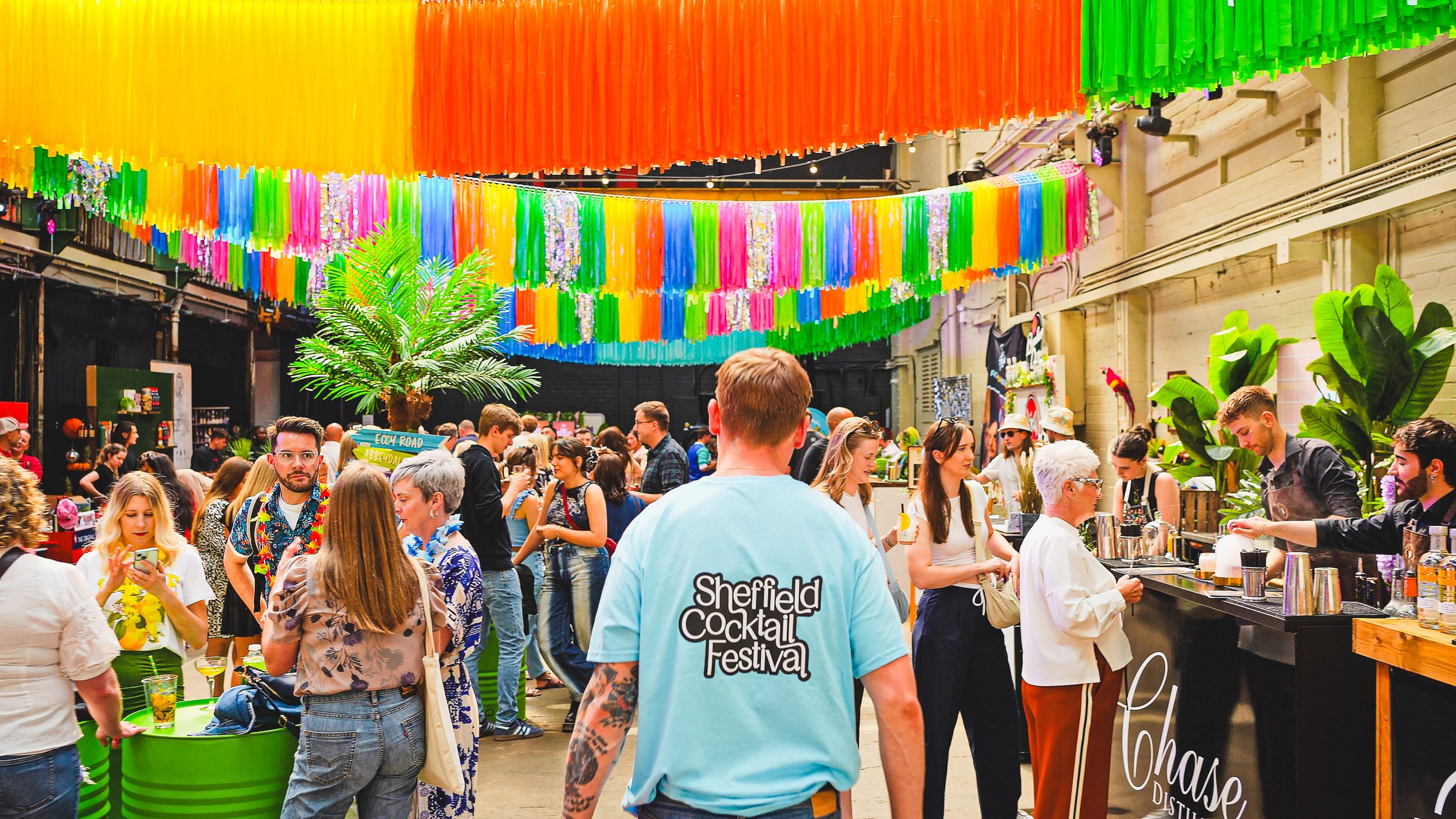
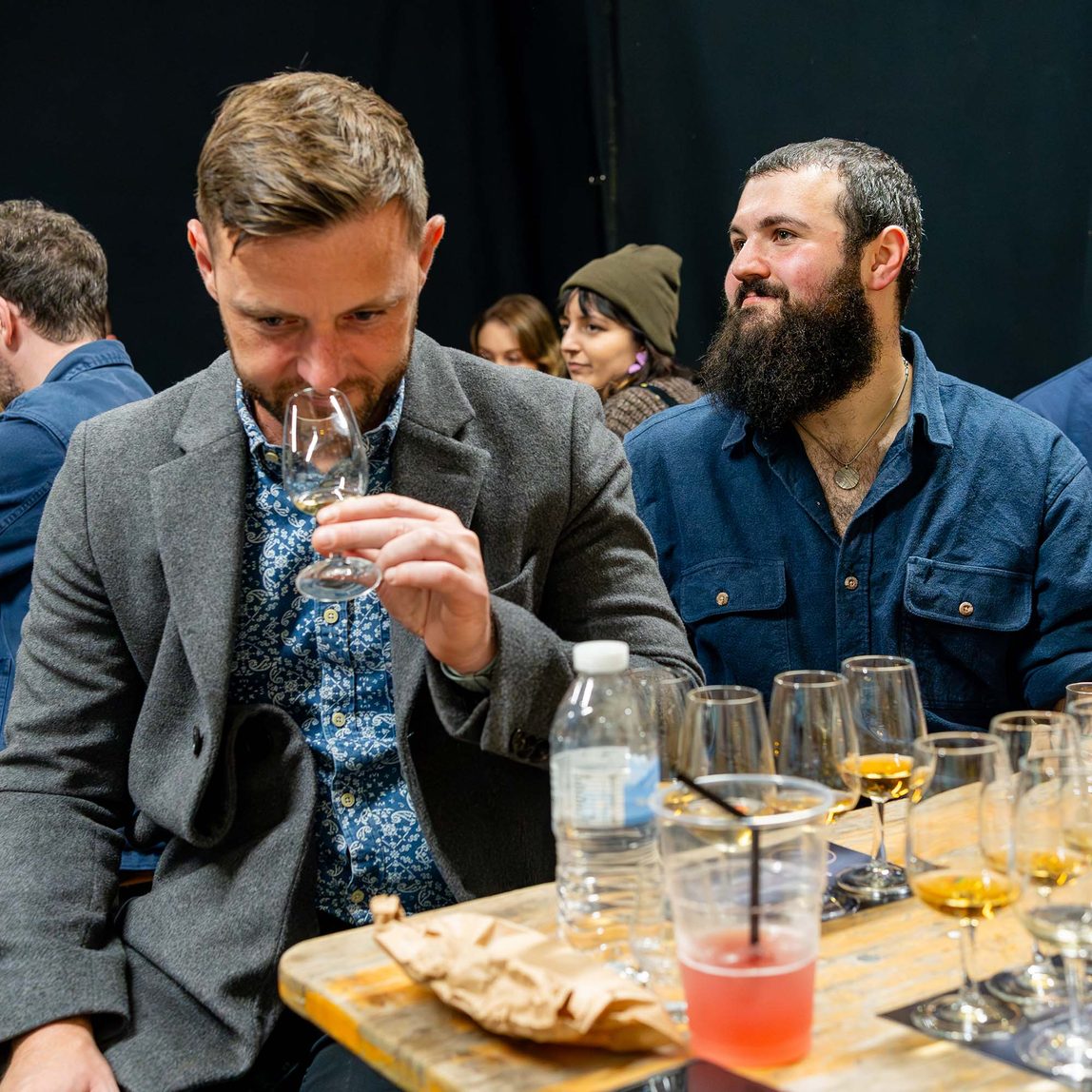
Hill Events, an ambitious events company, was preparing to launch Sheffield’s first-ever Cocktail and whisky festivals.
Hill Events
How a localised, two-phase digital ad strategy built a brand from scratch, captivated a new audience, and delivered a 3.88x return on ad spend.
About
Deliverables
The Challenge
Launching a new event is a formidable task. For Hill Events, the challenge was doubled. Their upcoming Cocktail and whisky festivals were the first of their kind in Sheffield, meaning they faced a market with zero pre-existing brand awareness or word-of-mouth.
To succeed, they needed not only to introduce a new brand but also to convince an audience to invest in an experience they had never heard of. The core challenge was clear: how do we build brand recognition, generate authentic interest, and drive ticket sales for a brand-new event from a standing start?
The Solution
We needed a fast-acting, persuasive, and highly targeted digital strategy to achieve two primary objectives: Awareness and Sales. We designed a two-phase strategy to first build a community and then convert that interest into ticket sales.
Phase 1: Engagement
Our first priority was a low-cost, high-reach awareness campaign to build an audience and generate social proof.
To maximise budget efficiency, our campaigns were focused on users within Sheffield and nearby towns and cities to ensure every penny was spent on a relevant audience.
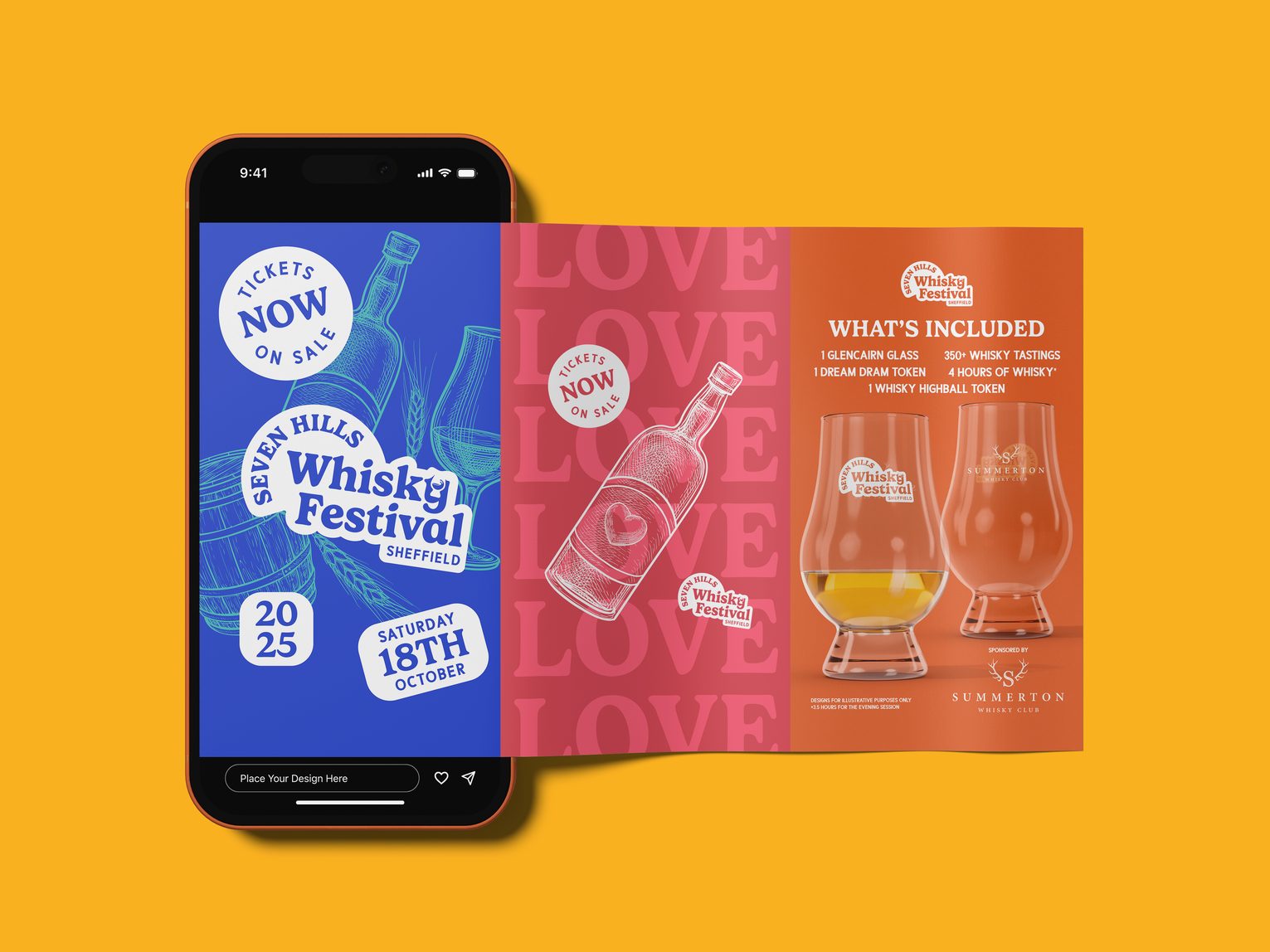
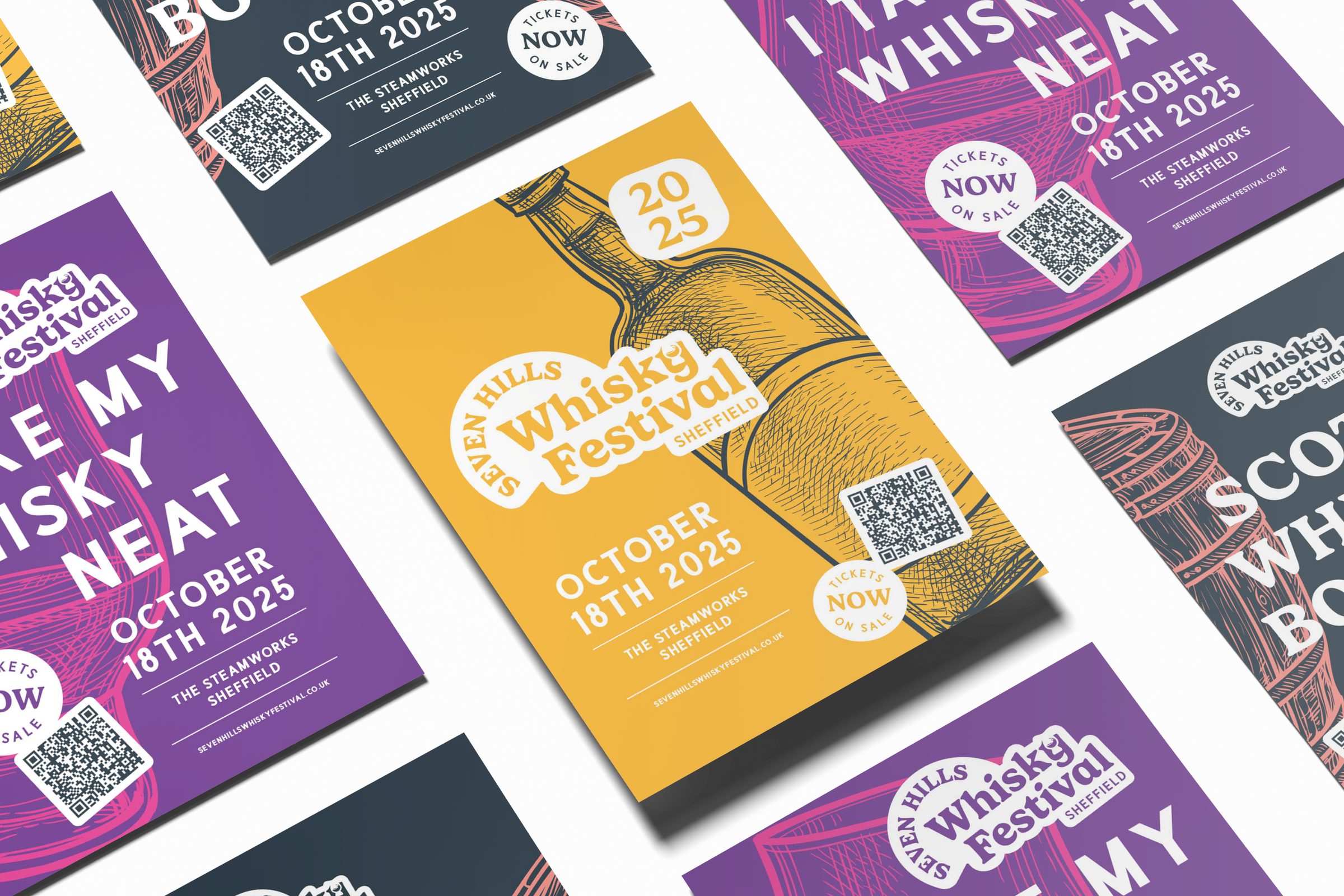
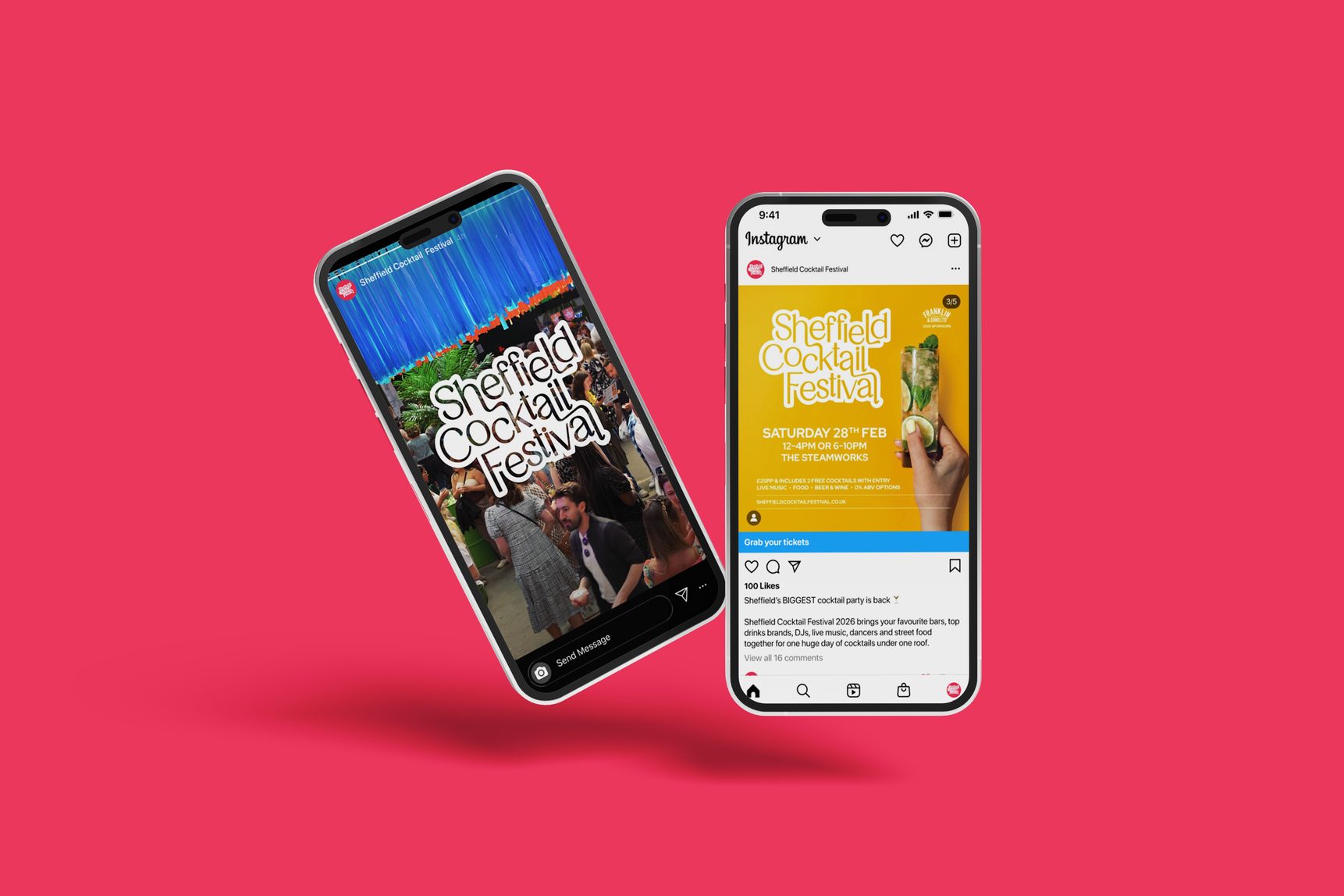
This was paired with Hill Events’ own scroll-stopping creative by James Ayliff Design, using a dynamic mix of vibrant static images and engaging video content to help the audience visualise the experience.
Our strategic messaging was structured for immediate impact: we placed the vital info (Event Type, Location, Date) “above the fold” with a strong call-to-action, while “below the fold” we provided key event features to convert initial interest into genuine consideration.
This phase successfully built a foundational audience and generated crucial social proof.
Phase 2: Conversions
With an engaged audience established, we shifted focus to ticket sales. While targeting and creative remained consistent for brand recognition, we altered the messaging and destination. The ad copy became urgency-driven, using scarcity (e.g., “Limited tickets available”) to encourage immediate booking. We then sent this traffic directly to the website’s ticket purchasing page, creating a frictionless sales funnel that removed unnecessary clicks and made it as easy as possible for a customer to become a ticket holder.
The Results
This two-phase strategy successfully established the festivals as premier local events. We built significant brand awareness from zero and delivered an exceptional return on investment.
3.88x
Return On Ad Spend (ROAS)
13,000+
Total Page Engagements
£0.43
Cost Per Event Response