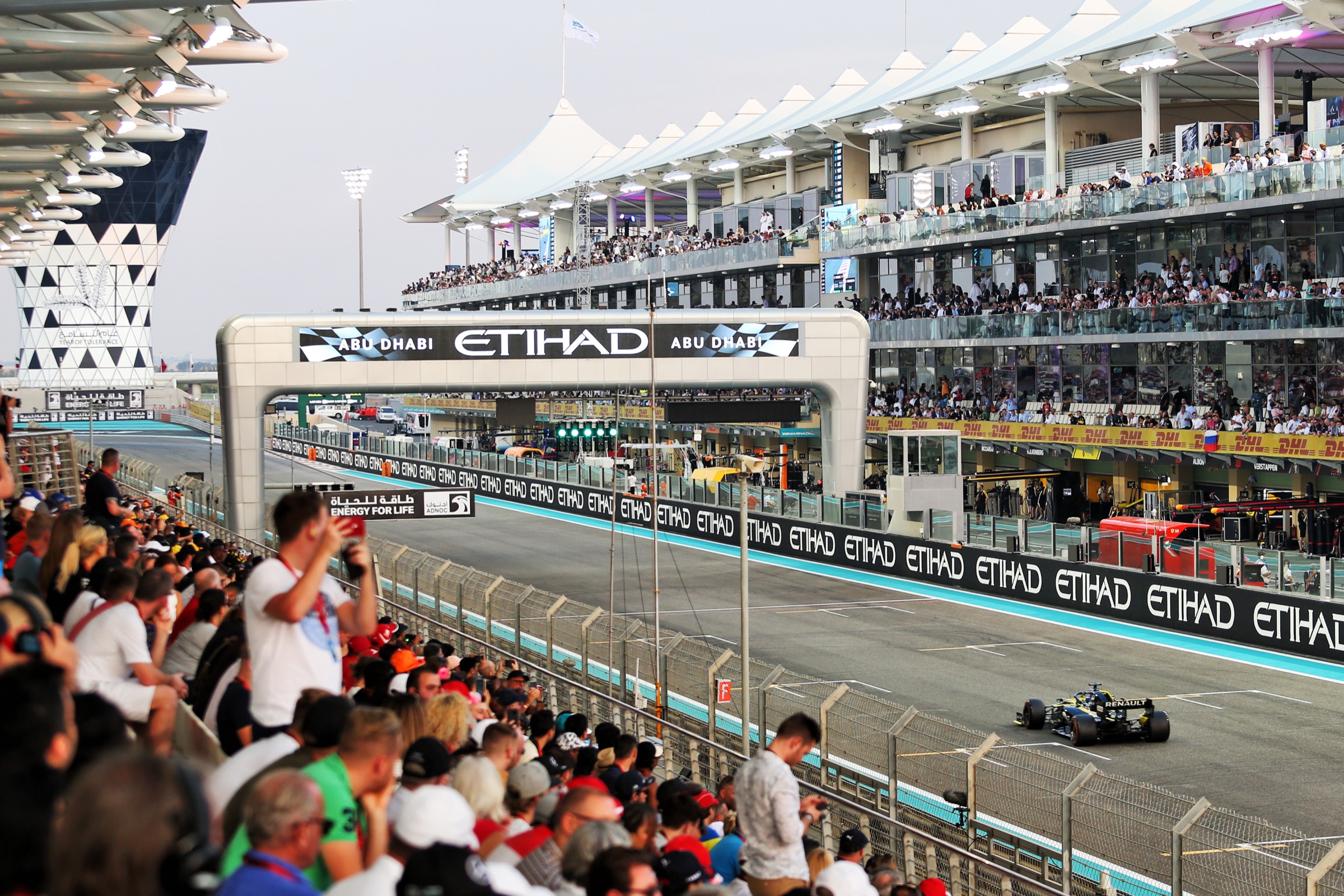
GP Traveller is a luxury travel company offering all-inclusive bespoke travel packages to F1™ Grand Prix™ events across the globe. They have a core value around the customer experience, ensuring a seamless, stress-free and unforgettable trip every time.
GP Traveller
How We Increased Enquiries By 99% Year-on-year For a Luxury Grand Prix™ Travel Provider
About
Deliverables
The Challenge
GP Traveller approached us to help further optimise what was an already established lead funnel. They wanted to see if there was a more efficient approach to their marketing that would generate increased conversions. With a complex account structure and multiple variables, GP Traveller struggled to spread ad spend in an effective way, and highly automated campaigns meant they couldn’t be dynamic and capitalise on increased demand.
The Solution
Initially, we conducted extensive research into the market and behaviour of their core audience. We learned that search demand spiked significantly leading up to and following major Grand Prix events. We found that some Grand Prix events always have higher traffic than others, marking these as core campaigns for us, and we identified a handful of primary keywords we could use to isolate the correct traffic.
Using this, we began planning the optimum account structure for the client. We adopted their initial structure, which was an event-based account setup, and rebuilt it with some key changes to the targeting, bidding strategy and ad structure.
We switched the setup from automatic budget distribution to manual, which allowed us to easily move money around based on the event calendar and search demand. We consolidated our campaign structure to include one core ad group and an additional dynamic ad group. This meant we were able to assign more of our budget to core keywords, rather than spreading a small ad budget across multiple ad groups and keywords.
To overcome any issues with ad relevancy, we implemented dynamic ad headlines based on our core keywords and rewrote the ad copy to be slightly broader, putting more of a focus on brand USPs but still incorporating event-specific keywords.
In addition to core event campaigns, we also introduced a number of top-line lead campaigns. These focused more on people searching for general Grand Prix holidays - non-event specific - and those looking for luxury holiday ideas. This allowed us to reach a much wider audience, whilst also building up our remarketing lists for later re-engagement.
The Results
The changes in results before and after implementing the visual content are night and day.
789%

Brand Exposure & Engagement
30%
Cost Per Lead Decrease
38%
Overall Ad Spend Increase